
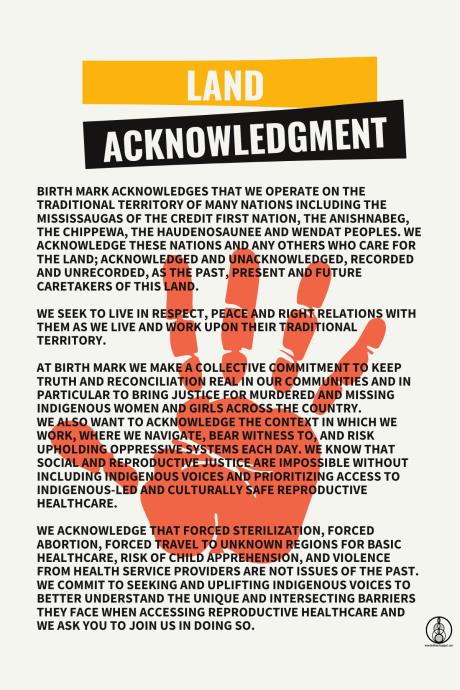
We gather today on the ancestral and unceded lands of
the Indigenous peoples who have stewarded this land for
countless generations. In what is now known as
Massachusetts, we honor the Massachusett, Wampanoag,
Nipmuc, and Pocumtuc nations, whose deep relationship
with the land continues to this day.
We recognize that these lands were violently taken through colonization, resulting in the displacement and attempted erasure of Indigenous nations. Policies such as the Doctrine of Discovery, forced removals, and broken treaties have inflicted generational trauma and severed many communities from their homelands. It is estimated that millions of Indigenous people died as a result of violence, disease, and dispossession during this period of settler colonialism. Some historians suggest that the Indigenous population in North America decreased by as much as 90% following European contact, translating to around 9 million deaths from an estimated 10 million Indigenous peoples prior to contact.
Despite centuries of colonial oppression, the Indigenous peoples of this region, and across the United States, continue to thrive, resist, and uphold their traditions, languages, and sovereignty. Their ongoing presence and contributions are foundational to our communities, reminding us of our collective responsibility to truth, healing, and justice.
As we gather here, we acknowledge the enduring legacy of settler colonialism and commit to actively dismantling the systems of oppression that persist. We offer this land acknowledgment not as a one-time gesture, but as an ongoing call to action: to listen to Indigenous voices, support Indigenous-led movements, and honor the sovereignty and rights of all Indigenous peoples.
Let us take a moment to reflect on our shared responsibility to contribute to a future
rooted in equity, respect, and decolonization.